If you're finishing school, working shifts in a shop or café, or just wondering what to do next, care work might be the most rewarding move you haven't considered yet. It's hands-on, people-focused, and genuinely matters, every single day.
Knowing how to become a care assistant is simpler than most people think. You don't need years of experience or a mountain of qualifications. What you do need is a willingness to show up, learn, and make a difference in someone's life. If that sounds like you, Bury is a fantastic place to start.
This guide walks you through everything, what the job involves, what training you'll receive, what you'll earn, and how to take that first step towards care assistant jobs in Bury.
Want to see firsthand what a Care Assistant does? Check out our Real Care Stories page for a full day in the life video.
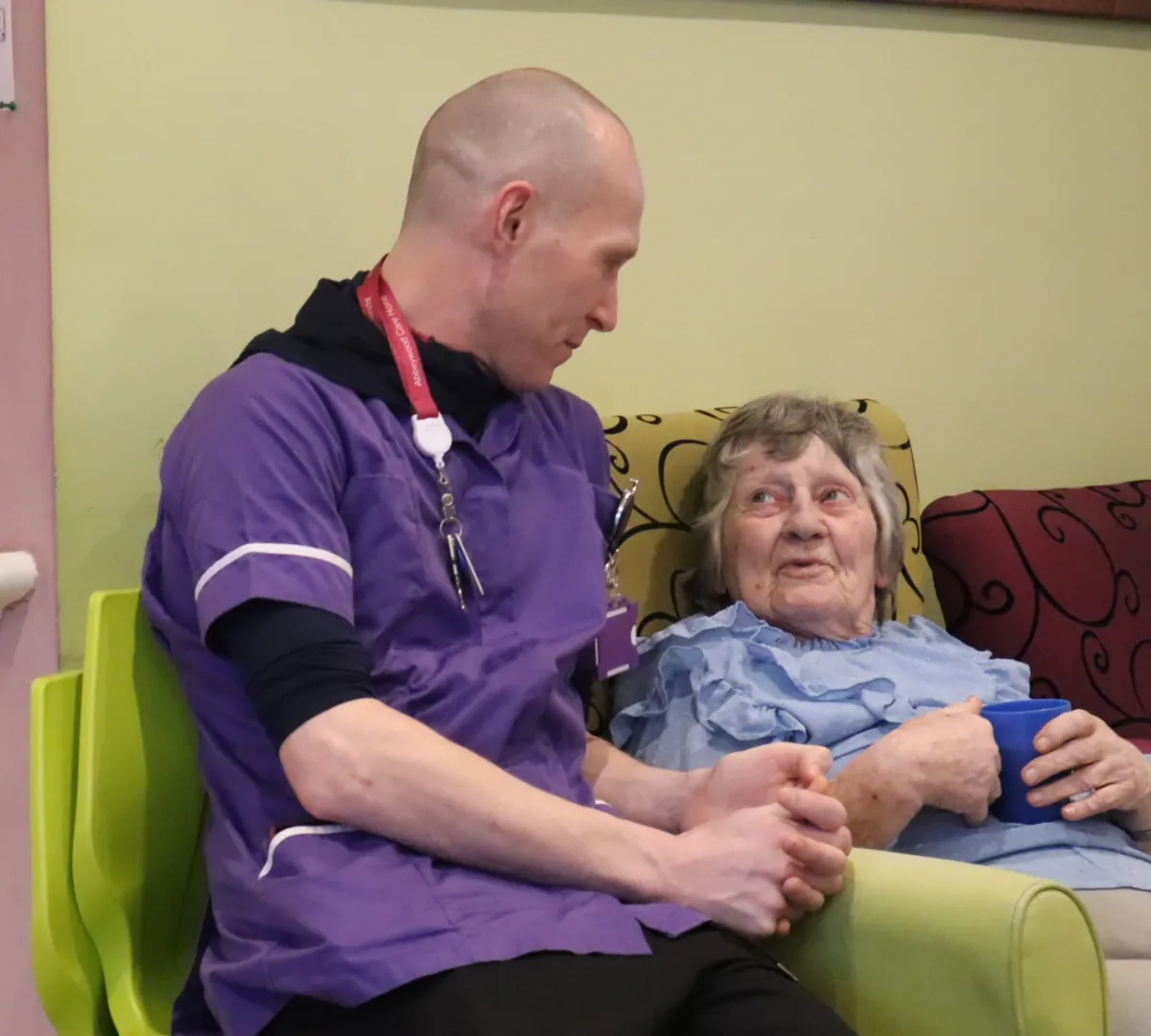

A care assistant supports people who need a little extra help with their day-to-day lives. That might be older adults, people living with disabilities, or individuals recovering from illness.
Day to day, you might be:
No two days look exactly the same. It's a role where you're constantly building real relationships, and the impact you have is visible and immediate. That's something a lot of jobs simply can't offer.
A care assistant supports people who need a little extra help with their day-to-day lives. That might be older adults, people living with disabilities, or individuals recovering from illness.
Day to day, you might be:
No two days look exactly the same. It's a role where you're constantly building real relationships, and the impact you have is visible and immediate. That's something a lot of jobs simply can't offer.
Here's the part that surprises a lot of people: you don't need any qualifications to get started.
Most employers offering care jobs in Bury are looking for the right attitude far more than a list of certificates. If you're kind, reliable, and genuinely interested in helping others, you're already most of the way there.
That said, here's what you'll encounter once you're in:
The Care Certificate This is the standard starting point for anyone new to care. It covers 15 core standards — things like safeguarding, person-centred care, and health and safety. You'll complete it as part of your induction, usually within your first 12 weeks. Your employer guides you through it; you don't need to sort it yourself.
Level 2 Diploma in Health and Social Care Once you've settled in, many employers will support you towards this nationally recognised qualification. It formalises what you're already learning on the job and opens doors to more senior roles. Some providers offer this fully funded, so it costs you nothing.
You can be 17 years old with no previous experience and still walk into a care role. The learning happens on the job, from day one.

The Care Workforce Pathway is a national framework that maps out exactly what a career in adult social care can look like, the roles available, the skills you'll build, and the knowledge and values that underpin great care at every level. Far from being a job you fall into and stay stuck in, care is a profession with genuine structure and direction. [See all the roles within the care sector and where you could go]
Starting pay for care assistants in Bury typically sits at or above the National Living Wage, with many roles offering enhanced rates for evenings, weekends, and bank holidays. Full-time and part-time hours are usually available, which suits people who need flexibility.
Progression is straightforward and merit-based. Many senior carers, team leaders, and care managers started in the same position you're considering now. With your Care Certificate, a Level 2 Diploma, and some experience under your belt, the Care Workforce Pathway gives you a clear framework to move into a senior care assistant role within a year or two, and to keep climbing from there.
There's also the option to specialise in dementia care, end-of-life care, or complex needs, or to move into training, coordination, or management over time. The Care Workforce Pathway makes it easy to see where each of those routes could take you. The path is genuinely yours to shape.
This is one of the biggest advantages of starting a career in care, you are never just thrown in at the deep end.
Paid training from the start. Most care employers in Bury pay you during your induction and training period. So while you're learning, you're earning. That's not always the case in other entry-level roles.
Shadowing In your first weeks, you'll shadow an experienced colleague. You watch, you ask questions, you get comfortable before you're ever working independently. It's a proper, supported introduction to the role.
Ongoing mentoring, good care providers don't stop supporting you once training is done. You'll typically have a named mentor or supervisor you can go to with questions — whether you're on day two or year two.
Specialist training opportunities. As you grow in confidence, you may get the chance to train in areas like dementia care, moving and handling, or first aid. These are skills that build your value as a professional and make your CV stand out for any future care assistant jobs in Bury or beyond.

Applying for care jobs in Bury doesn't need to be intimidating. Here's a simple approach:
You don't need to have it all figured out. Employers know you're new, what they want to see is the right attitude and a genuine desire to help people.
If you're ready to explore how to become a care assistant in a place that will actually invest in you, Bury Care Academy is a great place to begin.
We work with local care providers across Bury to connect motivated people, just like you, with roles that offer real training, real support, and a real future. Whether you're 17 and just leaving school or 25 and ready for a change, there's a place for you in care.
Do I need experience to apply for care assistant jobs in Bury? No. Most roles are open to people with no prior care experience. Employers are looking for character and commitment — the skills are taught on the job.
How old do you have to be to become a care assistant? You can start in care at 17 in most settings. Some roles involving overnight work or specific client groups may require you to be 18, but entry-level daytime roles are often open from 17.
Will I be paid while I'm training? Yes, in most cases. Your induction and initial training period should be paid. Always confirm this with the employer before you start, but it is standard practice across care providers in Bury.
What if I'm nervous about working with vulnerable people? That's completely normal, and it's actually a sign you take the responsibility seriously. The shadowing and mentoring you receive at the start is specifically designed to build your confidence before you work independently. You won't be left to figure it out alone.
Ready to take the first step?